
Parenting
Could your child be in trouble? Here’s what to watch out for
Early detection of changes in a Child’s behaviour, helps to support and control the problem by making changes in the home environment and consulting professionals.

Children experience emotional or mental health problems but may be unable to express themselves as they may not know what’s happening. As a parent, you should monitor your children to identify warning signs . Early identification helps in preparation and equipping to guide, support and take necessary action.
Many children face challenges such as bullying, stress, peer pressure, low self-esteem, and anxiety, while others encounter a hostile environment. However, a wide range of weird, disruptive, destructive, and delinquent behaviours, thoughts, or actions exhibited for a long period could mean the child is in trouble. It’s important to look out for the following warning signs if you suspect your child is in trouble.
Behaviour change
The main warning sign that a child is troubled is drastic behaviour change. This could be talking less than normal, self isolation and disrespect for authority. The changes can also be in emotional reactions from the child towards others. For example, mood swings varied with time, sadness, increased anxiety levels, hopelessness or depression. Your child may also suddenly change friends, withdraw from activities previously enjoyed, lack of interest, motivation and energy , change in music enjoyed, wearing too many bracelets that may be covering self-cutting among others.
Some children may have sudden outbursts of anger show irritability, overreact, throw temper tantrums, yell or even threaten others. Troubled children also have secretive behaviours such as hiding things, lying to cover up and giving vague answers or no responses. Others may be defiant, rude, disobedient, rebellious, and aggressive when interacting with others.
Older children may be observing poor personal hygiene where they don’t shower and avoid grooming. They also change eating patterns and habits. This may result in changes in sleeping habits where the child sleeps too much or too little. A troubled child may also start obsessive use of electronics with time spent on the Internet, video games, or social media. In addition, they may have frequent physical complaints of headaches, stomachaches and other physical pains that are dominant which may interfere with their ability to participate in activities.

READ ALSO: 4 Reasons Why You Should Stop Posting Your Child’s Photos Online
Trouble in school
Children often struggle with emotional or social issues and have problems dealing with the stress of their daily life negatively affecting school performance. They lack concentration, often act out, and also skip school time. Some may start complaining of having body aches and pains to stay at home. Depending on the period they have missed school, it becomes hard for them to catch up with learning, resulting in a noticeable difference in school performance.
Breaking rules
Many troubled children act out against authority by breaking the rules. Studies point out that a majority of children may be experimenting with drugs or substances and alcohol use. The habitual use of those illegal substances is a clear indicator that they are struggling with issues in life. This may be true if they start stealing small things or vandalizing property at home or in school to sell and get money to purchase drugs. It is important to confront it and seek professional help for the child.
Bullying and violence
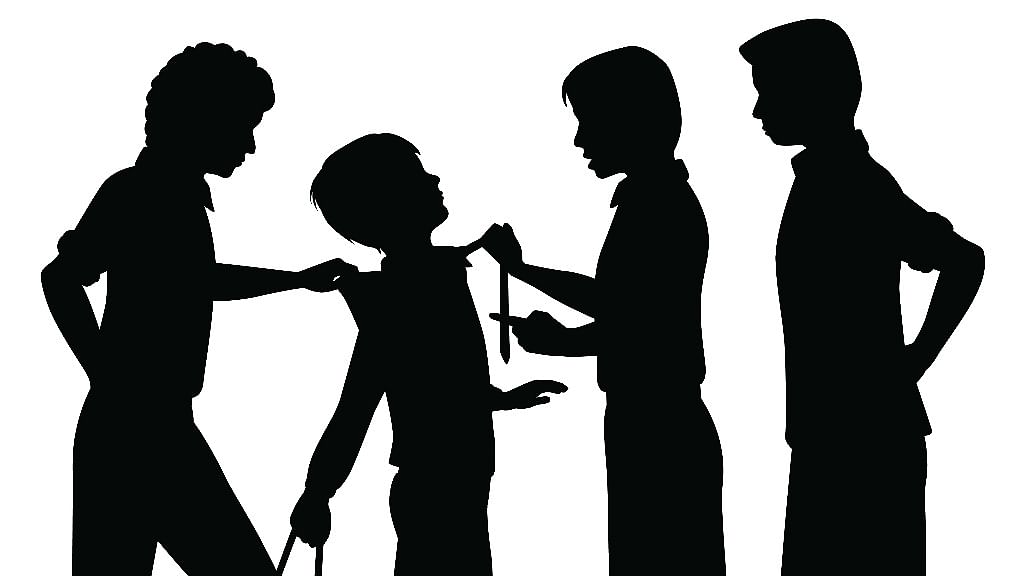
This is the most worrisome sign of troubled children. Some troubled children either harm themselves or harm others. They struggle with emotional problems and tend to turn their anger to others. If as a parent, you notice that your child is getting into fights, threatening others, fantasising about violence or hurting other children or even animals, seek help for them.
In conclusion…
Some troubled children have mental health, and social and emotional issues, others may be having more serious problems, such as violent behaviours, stress, or addiction. Children should be monitored closely and be actively involved in the process of making rules and enforcing consequences for breaking those rules. Discipline strategies used should be firm, consistent and fair to help children make better choices. Early detection of changes in a Child’s behaviour, having trouble in school or relating with others may help to support and control the problem by making changes in the home environment and consulting professionals.
The article was written by Dr. Catherine Gichuba, CEO and Lead Consultant at Regional Social Consultants Agency (RESCA).
Parenting often revolves around setting boundaries and ensuring children follow rules. While discipline is essential, there is a hidden joy and power in saying “yes” to your child more often. Allowing controlled freedom can be a game-changer in fostering independence, confidence, and resilience in your child.
The Power of Yes
Saying “yes” doesn’t mean giving in to every whim or desire. Instead, it’s about choosing moments where your child can explore their world with freedom.
Whether it’s allowing them to choose their outfit for the day or letting them plan a family outing, these small moments of empowerment build self-esteem.
Building Confidence Through Freedom
 Children thrive when they feel trusted. By saying “yes” to reasonable requests, you’re telling your child that you believe in their ability to make decisions.
This trust translates into confidence as they learn to navigate their choices, understanding the consequences and rewards that come with them.
Creating Safe Boundaries
While saying “yes” is powerful, it’s crucial to establish safe boundaries. These boundaries ensure that your child’s freedom doesn’t lead to harm.
For example, you might say, “Yes, you can play outside, but stay where I can see you.” This approach allows freedom within a safe framework, giving your child the space to grow while keeping them protected.
Encouraging Problem-Solving Skills
When you allow your child to make decisions, you’re also teaching them to solve problems. They learn to think critically about their choices, weighing options, and considering outcomes. This skill is invaluable, as it prepares them for real-world challenges.
The Lasting Impact
The simple act of saying “yes” more often can have a profound impact on your child’s development. It’s a way to show trust, build confidence, and encourage independence.
So next time your child asks for something, consider the power of “yes.” It might just be the best answer you give all day.
For more, click HERE to join our WhatsApp channel!
Parenting often revolves around setting boundaries and ensuring children follow rules. While discipline is essential, there is a hidden joy and power in saying “yes” to your child more often. Allowing controlled freedom can be a game-changer in fostering independence, confidence, and resilience in your child.
The Power of Yes
Saying “yes” doesn’t mean giving in to every whim or desire. Instead, it’s about choosing moments where your child can explore their world with freedom.
Whether it’s allowing them to choose their outfit for the day or letting them plan a family outing, these small moments of empowerment build self-esteem.
Building Confidence Through Freedom
Children thrive when they feel trusted. By saying “yes” to reasonable requests, you’re telling your child that you believe in their ability to make decisions.
This trust translates into confidence as they learn to navigate their choices, understanding the consequences and rewards that come with them.
Creating Safe Boundaries
While saying “yes” is powerful, it’s crucial to establish safe boundaries. These boundaries ensure that your child’s freedom doesn’t lead to harm.
For example, you might say, “Yes, you can play outside, but stay where I can see you.” This approach allows freedom within a safe framework, giving your child the space to grow while keeping them protected.
Encouraging Problem-Solving Skills
When you allow your child to make decisions, you’re also teaching them to solve problems. They learn to think critically about their choices, weighing options, and considering outcomes. This skill is invaluable, as it prepares them for real-world challenges.
The Lasting Impact
The simple act of saying “yes” more often can have a profound impact on your child’s development. It’s a way to show trust, build confidence, and encourage independence.
So next time your child asks for something, consider the power of “yes.” It might just be the best answer you give all day.
For more, click HERE to join our WhatsApp channel!

Hello world!
Teen, 17, Fatally Stabbed During Altercation with Friends in Eastleigh
Teen, 17, Fatally Stabbed During Altercation with Friends in Eastleigh
-

 Fashion9 years ago
These ’90s fashion trends are making a comeback in 2017
-
Entertainment9 years ago
The final 6 ‘Game of Thrones’ episodes might feel like a full season
-
Fashion9 years ago
According to Dior Couture, this taboo fashion accessory is back
-
Entertainment9 years ago
The old and New Edition cast comes together to perform
-
Sports9 years ago
Phillies’ Aaron Altherr makes mind-boggling barehanded play
-
Business9 years ago
Uber and Lyft are finally available in all of New York State
-
Entertainment9 years ago
Disney’s live-action Aladdin finally finds its stars
-
Sports9 years ago
Steph Curry finally got the contract he deserves from the Warriors