
Health
10 spices and their health benefits
Spices not only enhance the taste of food, they also have numerous health benefits as long as they are consumed in their natural form.

Spices have numerous health benefits other than just enhancing the taste of food. In fact, most herbs and spices were used for medicinal purposes before they were introduced into culinary arts. Here are ten spices and their benefits.
Cinnamon
Cinnamon is sugar-free and low in calories and is used in many recipes. It contains cinnamaldehyde, which is responsible for its medicinal properties. Cinnamon is known to be effective in lowering blood sugar levels by improving insulin sensitivity and slowing the breakdown of carbs during digestion. It also helps fight inflammation due to its antioxidant element and lower cholesterol. At most 2 teaspoons per day will be enough.
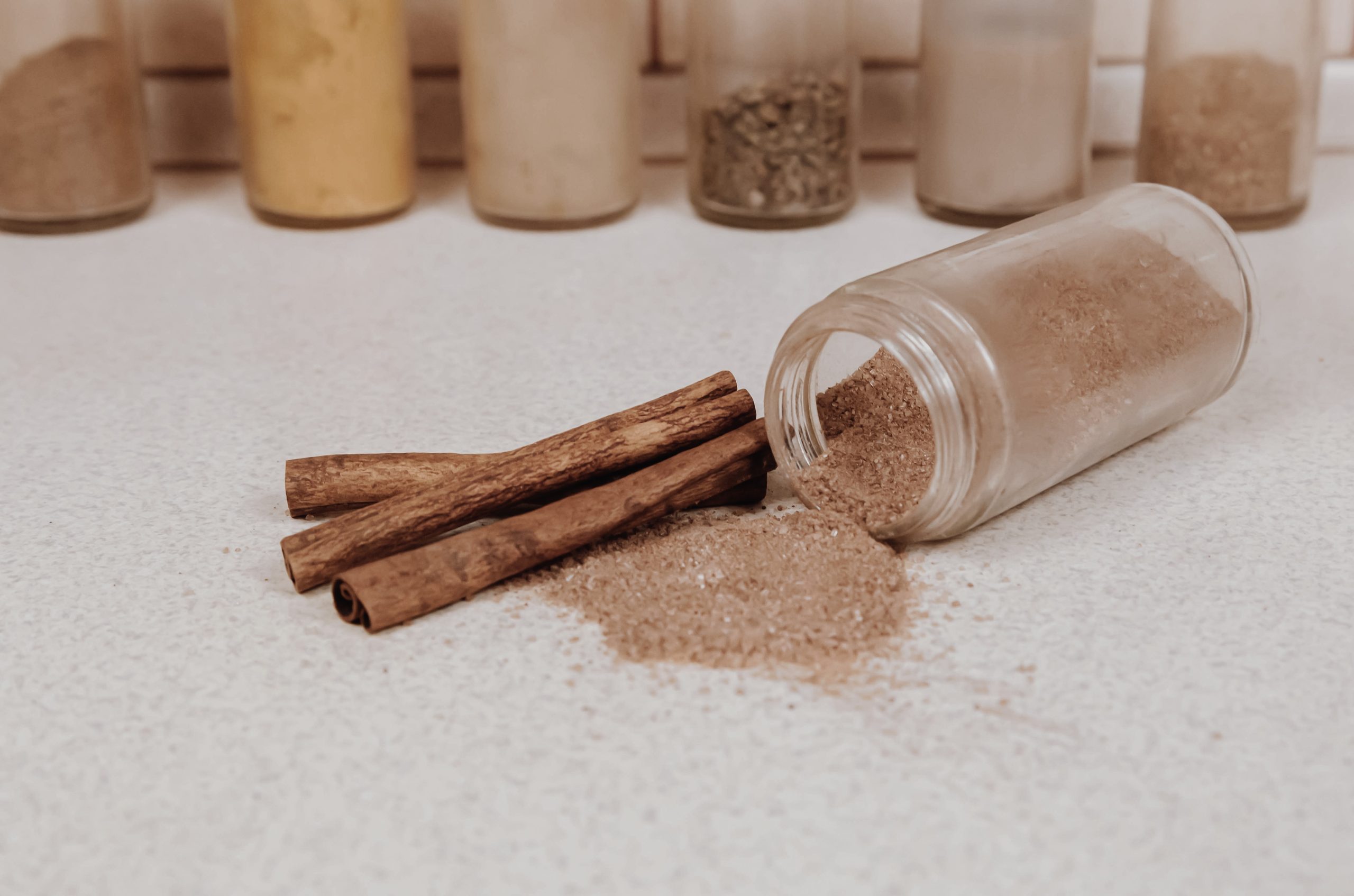
Photo by Diana Polekhina on Unsplash
Turmeric
Known for its yellow colour, turmeric contains an ingredient with medicinal properties called Curcumin. Curcumin is an antioxidant which helps fight oxidative damage and boost your body’s antioxidant enzymes. It is also anti-inflammatory thus reducing the risk of chronic diseases such as cancer and heart disease.
Peppermint
It has been used from way back in folk medicine and aromatherapy.
Its oily component has health effects such as improving pain management in irritable bowel syndrome (IBS) and reducing abdominal bloating.
Other studies show that the use of peppermint in aromatherapy helps reduce nausea.
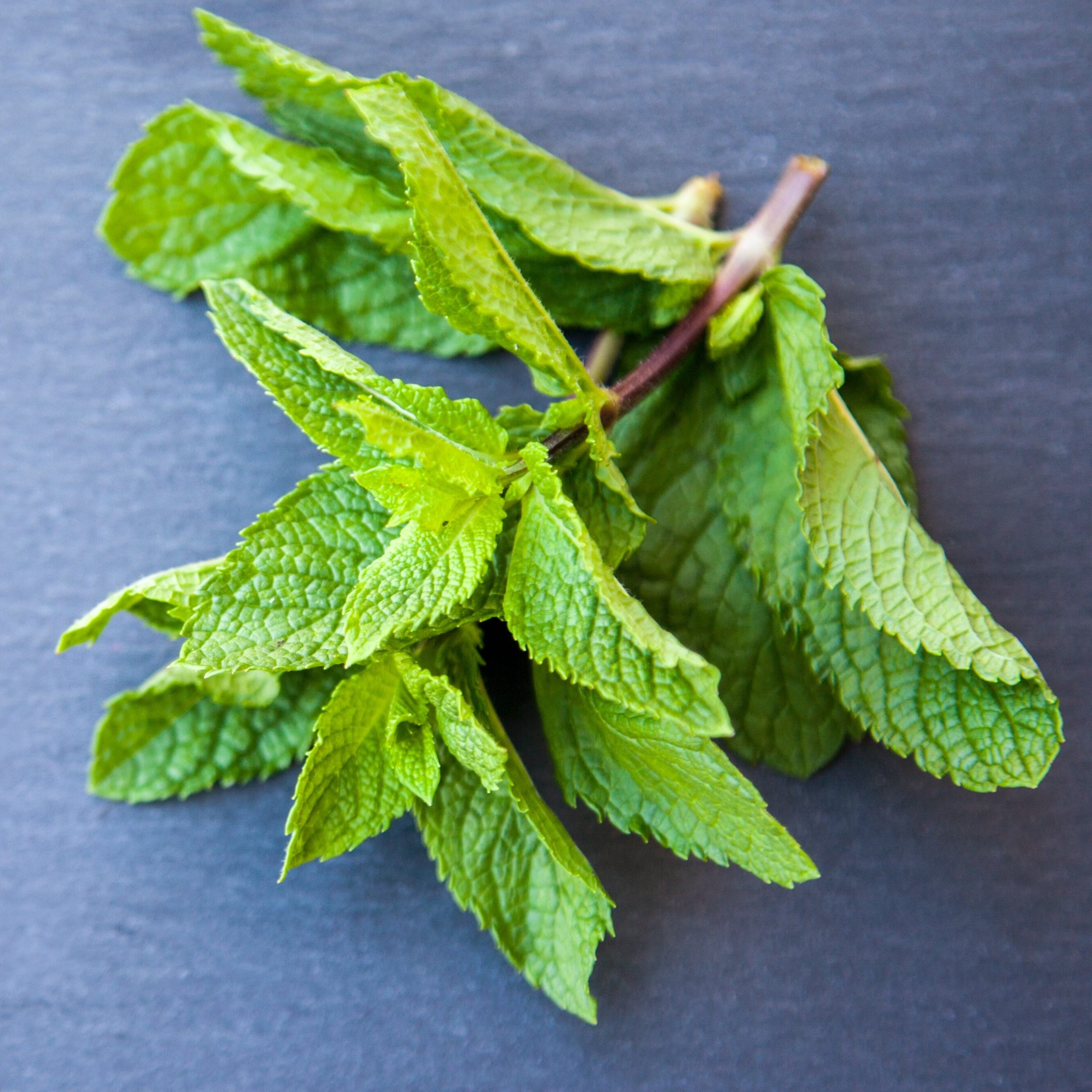
Photo by Shaun Meintjes on Unsplash
Cayenne
This is a type of chilli pepper and it contains capsaicin which is shown to reduce appetite and increase fat burning. A study found that 1gram of red pepper in meals was effective for people who did not regularly eat pepper. As a result, this is a common ingredient in many commercial weight loss supplements.

Photo by Albert Vincent Wu on Unsplash
Ginger
Ginger has strong anti-inflammatory properties which help with pain management. It also has a calming effect on the lining of your digestive system hence reducing the risk for colon cancer.
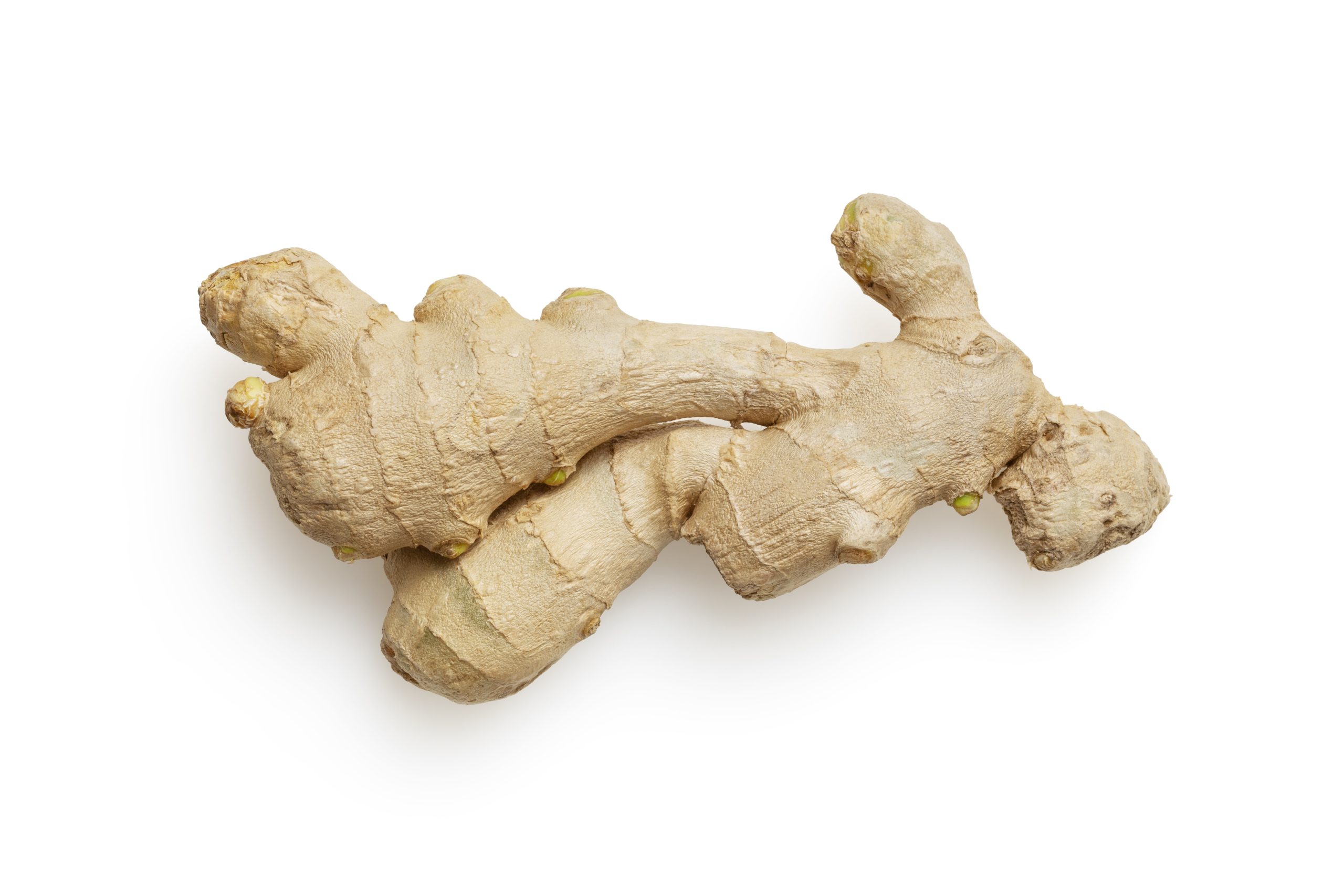
Photo by Mockup Graphics on Unsplash
Rosemary
Besides a sweet smell, Rosemary has an active ingredient called rosmarinic acid which suppresses allergic responses and nasal congestion.

Photo by Manuela Böhm on Unsplash
Garlic
Garlic’s distinct smell comes from a compound called allicin. It stops sicknesses such as the common cold.
Daily consumption of garlic will reduce high cholesterol, and regulate blood sugar levels and blood pressure. Cut or crushed garlic forms the allicin compound which is beneficial.
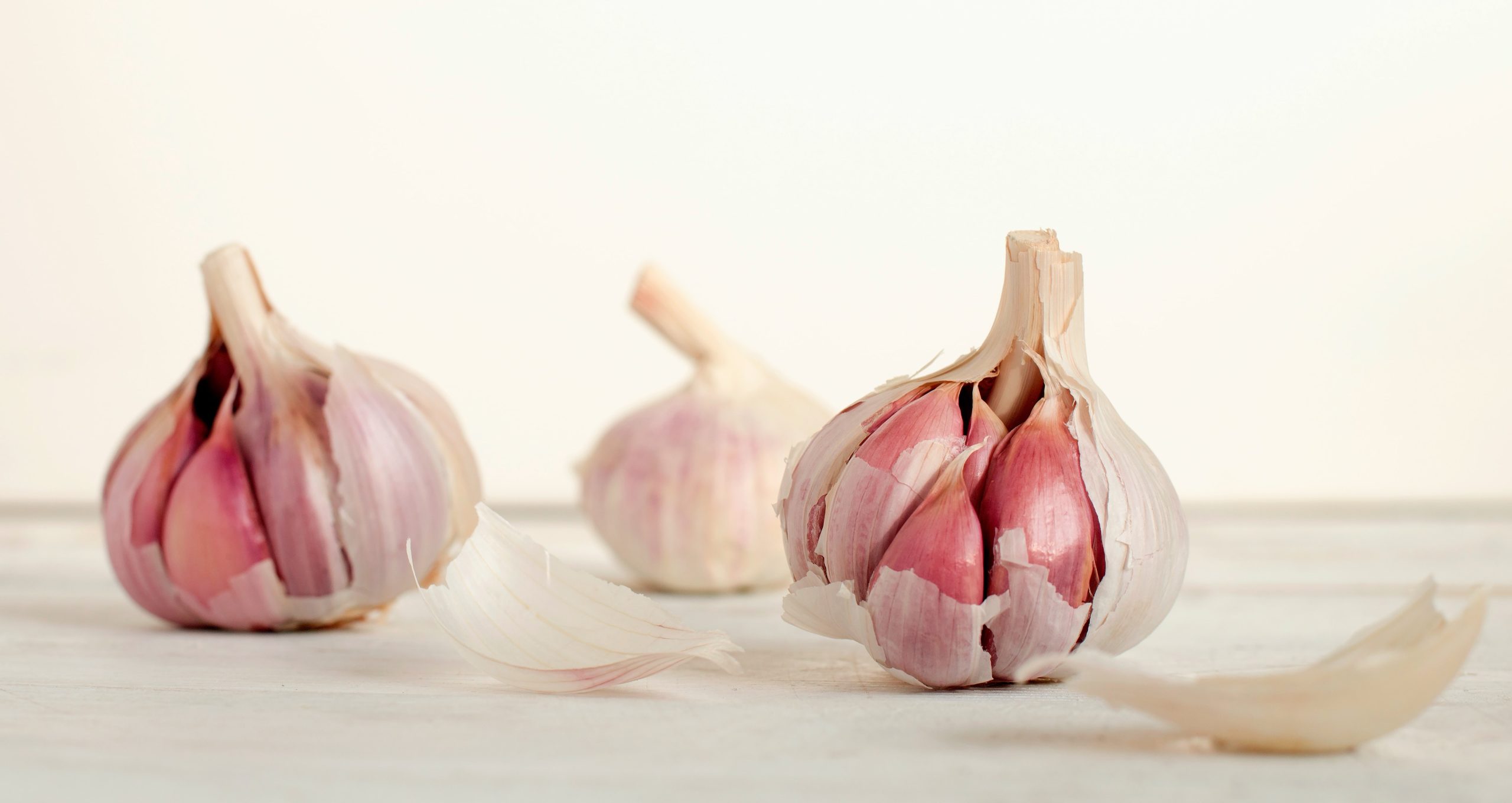
Photo by Mike Kenneally on Unsplash
Cardamom
It is high in minerals like zinc and magnesium. Studies show that it may help stop inflammation apart from soothing an upset stomach. Cardamom is often used to treat bad breath and is a component of some chewing gums.
READ ALSO: 7 types of nuts that are good for your brain
Paprika
Powdered paprika’s flavour is quite mild. Its anti-inflammatory agents help lower blood pressure and also promote eye health. You will also have healthy digestion as your saliva and stomach acids will be increased.
Sage
It was used in the middle-age for its healing properties. Research now shows that it may be able to improve brain function and memory in people, especially those with Alzheimer’s disease.
In conclusion…
Adding herbs and spices to your diet will generally help you minimize the use of less healthy ingredients such as salt, sugar and added fat.
Get your copy of the July Issue of Parents Magazine HERE
As the world observed World Tuberculosis Day on 24th March 2026, the global fight against one of history’s deadliest infectious diseases stands at a crossroads. While the World Health Organisation (WHO) has unveiled transformative new diagnostic tools, local health systems, particularly in high-burden countries like Kenya, are sounding the alarm over a funding crisis that threatens to allow emerging forms of the disease to spread unchecked.
Tongue swabs and battery power
On March 24, 2026, the WHO issued updated guidelines recommending a suite of innovative diagnostic technologies designed to bring testing closer to the point of care. For decades, the primary hurdle in TB detection has been the reliance on sputum (phlegm) samples, which many patients, especially children and those with advanced HIV, struggle to produce.
The new recommendations introduce tongue swabs as a viable alternative, allowing for easy, non-invasive specimen collection. Furthermore, the WHO is championing near-point-of-care molecular tests that are portable, battery-operated, and can deliver results in less than an hour. These tests are projected to cost half the price of current molecular diagnostics, potentially saving billions in machine time and commodity costs.
“These new tools could be truly transformative,” said Dr Tedros Adhanom Ghebreyesus, WHO Director-General. “By bringing fast, accurate diagnosis closer to people, we can save lives, curb transmission, and reduce costs.”
Surge of the silent genital TB threat
However, technology alone cannot solve the epidemic if patients remain in the shadows. In Kenya, health officials in Kirinyaga County have flagged a worrying surge in genital tuberculosis, a form of extrapulmonary TB that affects reproductive organs.
Unlike the more common pulmonary TB, which affects the lungs, genital TB is often misdiagnosed due to low awareness and significant social stigma. In women, the bacteria can spread to the uterus, leading to permanent fertility complications if not caught early. Health experts emphasise that while TB is airborne and not a sexually transmitted infection, the stigma surrounding reproductive health often prevents men and women from seeking care.

In hotspots like Mwea, officials are now taking screening services directly to markets and social spaces to reach men, who are currently the most affected group due to delayed health-seeking behaviour.
Funding paradox
The irony of the 2026 TB response lies in the widening gap between scientific innovation and financial reality. The WHO notes that every dollar invested in TB generates up to $43 in health and economic returns. Yet, global health funding is facing severe cuts.
In Kenya, Members of Parliament recently warned that a funding shortfall, dropping from Kshs 1.3 billion to roughly Kshs 1 billion over the last two years, could reverse decades of progress. These cuts directly impact the rollout of the very technologies the WHO is recommending, such as digital X-rays and the maintenance of GeneXpert machines.
“Every time we reduce funding for these diseases, we risk losing the gains we have made,” warned Patrick Munene, MP for Chuka Igambang’ombe. “Eventually, even the investments already made will go to waste.”
Yes! We can end TB
The theme for World TB Day 2026, “Yes! We can end TB: Led by countries, powered by people,” serves as a rallying cry and a warning. Science has provided tools such as tongue swabs for the hard-to-test, portable machines for remote villages, and shorter treatment regimens that have reduced drug-resistant TB therapy from 18 months to just six.
But to bridge the gap between a laboratory breakthrough and a cured patient, the global community must address the funding crisis. Without sustained investment and a concerted effort to dismantle the stigma of silent forms like genital TB, the world’s oldest pandemic may continue to claim many lives every single day.
For more, click HERE to join our WhatsApp channel!
As the world observed World Tuberculosis Day on 24th March 2026, the global fight against one of history’s deadliest infectious diseases stands at a crossroads. While the World Health Organisation (WHO) has unveiled transformative new diagnostic tools, local health systems, particularly in high-burden countries like Kenya, are sounding the alarm over a funding crisis that threatens to allow emerging forms of the disease to spread unchecked.
Tongue swabs and battery power
On March 24, 2026, the WHO issued updated guidelines recommending a suite of innovative diagnostic technologies designed to bring testing closer to the point of care. For decades, the primary hurdle in TB detection has been the reliance on sputum (phlegm) samples, which many patients, especially children and those with advanced HIV, struggle to produce.
The new recommendations introduce tongue swabs as a viable alternative, allowing for easy, non-invasive specimen collection. Furthermore, the WHO is championing near-point-of-care molecular tests that are portable, battery-operated, and can deliver results in less than an hour. These tests are projected to cost half the price of current molecular diagnostics, potentially saving billions in machine time and commodity costs.
“These new tools could be truly transformative,” said Dr Tedros Adhanom Ghebreyesus, WHO Director-General. “By bringing fast, accurate diagnosis closer to people, we can save lives, curb transmission, and reduce costs.”
Surge of the silent genital TB threat
However, technology alone cannot solve the epidemic if patients remain in the shadows. In Kenya, health officials in Kirinyaga County have flagged a worrying surge in genital tuberculosis, a form of extrapulmonary TB that affects reproductive organs.
Unlike the more common pulmonary TB, which affects the lungs, genital TB is often misdiagnosed due to low awareness and significant social stigma. In women, the bacteria can spread to the uterus, leading to permanent fertility complications if not caught early. Health experts emphasise that while TB is airborne and not a sexually transmitted infection, the stigma surrounding reproductive health often prevents men and women from seeking care.
In hotspots like Mwea, officials are now taking screening services directly to markets and social spaces to reach men, who are currently the most affected group due to delayed health-seeking behaviour.
Funding paradox
The irony of the 2026 TB response lies in the widening gap between scientific innovation and financial reality. The WHO notes that every dollar invested in TB generates up to $43 in health and economic returns. Yet, global health funding is facing severe cuts.
In Kenya, Members of Parliament recently warned that a funding shortfall, dropping from Kshs 1.3 billion to roughly Kshs 1 billion over the last two years, could reverse decades of progress. These cuts directly impact the rollout of the very technologies the WHO is recommending, such as digital X-rays and the maintenance of GeneXpert machines.
“Every time we reduce funding for these diseases, we risk losing the gains we have made,” warned Patrick Munene, MP for Chuka Igambang’ombe. “Eventually, even the investments already made will go to waste.”
Yes! We can end TB
The theme for World TB Day 2026, “Yes! We can end TB: Led by countries, powered by people,” serves as a rallying cry and a warning. Science has provided tools such as tongue swabs for the hard-to-test, portable machines for remote villages, and shorter treatment regimens that have reduced drug-resistant TB therapy from 18 months to just six.
But to bridge the gap between a laboratory breakthrough and a cured patient, the global community must address the funding crisis. Without sustained investment and a concerted effort to dismantle the stigma of silent forms like genital TB, the world’s oldest pandemic may continue to claim many lives every single day.
For more, click HERE to join our WhatsApp channel!

Hello world!
Teen, 17, Fatally Stabbed During Altercation with Friends in Eastleigh
Teen, 17, Fatally Stabbed During Altercation with Friends in Eastleigh
-

 Fashion9 years ago
These ’90s fashion trends are making a comeback in 2017
-
Entertainment9 years ago
The final 6 ‘Game of Thrones’ episodes might feel like a full season
-
Fashion9 years ago
According to Dior Couture, this taboo fashion accessory is back
-
Sports9 years ago
Phillies’ Aaron Altherr makes mind-boggling barehanded play
-
Entertainment9 years ago
The old and New Edition cast comes together to perform
-
Business9 years ago
Uber and Lyft are finally available in all of New York State
-
Entertainment9 years ago
Disney’s live-action Aladdin finally finds its stars
-
Sports9 years ago
Steph Curry finally got the contract he deserves from the Warriors